The Role Of Nostalgia In EU Online Gambling
Nostalgia holds a unique position within the landscape of online gambling in the European Union. Its ability to evoke fond memories from the past—be it the classic arcade games, vintage slot machines, or traditional betting experiences—serves as a powerful tool to attract and retain players. The enduring appeal of nostalgia aligns with the increasing demand for authentic, relatable entertainment, bridging the gap between modern technology and cherished memories that resonate deeply with players across generations.
In the context of EU online gambling platforms, nostalgia is not just a marketing motif but a strategic element integrated into the design, game selection, and overall user experience. Operators leverage nostalgic cues such as retro graphics, familiar soundtracks, and themes reminiscent of early gambling machines or iconic video games to forge emotional connections. These elements tap into a player’s subconscious memories, creating a sense of comfort and familiarity that encourages longer engagement and fosters loyalty.
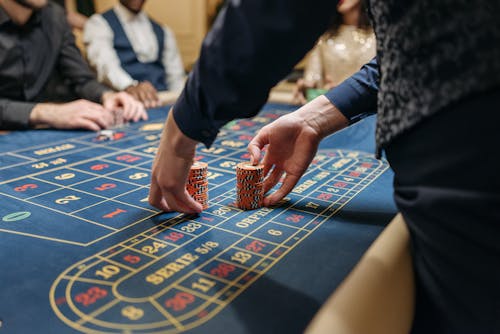
For example, many platforms now feature slot machines that mimic vintage fruit machines or incorporate themes from beloved arcade titles, translating familiar aesthetics into a digital environment. This approach not only appeals to nostalgic sentiments but also introduces newer generations to the allure of traditional gambling forms in a modern, accessible way. The integration of nostalgic content aligns with ongoing trends across EU markets, where players seek authentic experiences that resonate with their personal histories or cultural backgrounds.
For example, many platforms now feature slot machines that mimic vintage fruit machines or incorporate themes from beloved arcade titles, translating familiar aesthetics into a digital environment. This approach not only appeals to nostalgic sentiments but also introduces newer generations to the allure of traditional gambling forms in a modern, accessible way. The integration of nostalgic content aligns with ongoing trends across EU markets, where players seek authentic experiences that resonate with their personal histories or cultural backgrounds.
Strategic utilization extends beyond visual elements. Sound design plays a crucial role in reinforcing nostalgic atmospheres, with familiar jingles, coin inserts, and vintage sound effects enhancing the immersive quality of online games. This multisensory approach elevates engagement, making players feel as though they are participating in an authentic, time-honored gambling tradition from the comfort of their home.
Another notable trend is the revival of classic game formats in modern online platforms. Traditional card games such as poker and blackjack often incorporate vintage design cues and historical themes, connecting players with the legacy of physical casinos while benefiting from the convenience of digital access. These nostalgic touches can include old-school aesthetic choices, period-specific soundtrack choices, or storytelling elements rooted in gambling lore.
In conclusion, the rise of nostalgia within EU online gambling platforms underscores a broader shift towards emotionally driven engagement strategies. By thoughtfully blending retro aesthetics with innovative gameplay, operators create immersive environments that appeal to a wide demographic—those seeking familiar comforts and new players curious about gambling’s rich history. As the industry continues to evolve, the integration of nostalgic elements is expected to grow, solidifying its role as a key driver of player loyalty and differentiation in a competitive market.
This emotional resonance has practical implications. Platforms leveraging nostalgia can introduce tailored loyalty programs that reward long-term players with exclusive retro-themed bonuses or collectibles.
Incorporating Retro Aesthetics And Themes In Casino Platforms
Within the European Union’s vibrant gambling industry, nostalgia has emerged as a compelling strategy to strengthen player engagement and promote brand differentiation. This emotional connection to the past is particularly effective in the context of online casinos, sports betting, poker platforms, and slots providers, where the competitive landscape demands innovative approaches to attract and retain users.
European operators are increasingly leveraging nostalgic elements to evoke a sense of familiarity and comfort among players. This involves meticulously integrating vintage aesthetics, traditional game mechanics, and classic themes into the digital environment. For instance, slots inspired by 80s fruit machines or early arcade machines with pixelated graphics and retro soundtracks are now commonplace on leading EU platforms. These design choices tap into collective cultural memories, creating a bridge between the nostalgic past and contemporary gaming innovations.
Beyond visual and auditory cues, the reformulation of traditional casino experiences in a modern online setting enhances emotional engagement. Classic table games like blackjack and roulette are often presented with vintage design motifs and period-authentic sound effects, which evoke the ambiance of physical casinos from bygone eras. By doing so, these platforms not only appeal to seasoned gamblers familiar with real-world casinos but also foster a sense of authenticity that resonates with users seeking an immersive experience rooted in tradition.
The multisensory approach employed by many EU online platforms goes beyond visual cues. Nostalgic sound design—such as coin-inserts, vintage jingles, and period-specific background music—further deepens the immersive experience. This strategy creates a familiar environment that encourages longer gameplay sessions and a higher degree of player loyalty, demonstrating that emotional resonance can be a key differentiator in a competitive market.
The multisensory approach employed by many EU online platforms goes beyond visual cues. Nostalgic sound design—such as coin-inserts, vintage jingles, and period-specific background music—further deepens the immersive experience. This strategy creates a familiar environment that encourages longer gameplay sessions and a higher degree of player loyalty, demonstrating that emotional resonance can be a key differentiator in a competitive market.
European players also respond positively to the revival of classic game formats. For example, online poker rooms have incorporated vintage design elements, such as old-style card decks and classic chips, to evoke the timeless appeal of land-based casinos. These subtle references to gambling heritage foster a sense of continuity, linking modern digital experiences with the industry’s rich history.
In addition to game design, marketing campaigns are frequently infused with nostalgic themes. Promotions may include retro-themed tournaments, exclusive bonuses tied to classic motifs, and loyalty programs that reward long-term engagement through nostalgic incentives. These strategies leverage players’ emotional memories to foster a sense of belonging and community, encouraging repeated visits and increased involvement with the platform.
Furthermore, the integration of nostalgic content aligns with the preferences of the growing demographic of mature players within the EU, who often seek entertainment that recalls their formative years. Simultaneously, younger generations, often introduced to vintage aesthetics through popular culture, find these themes intriguing and stylish, bridging the generational divide in gaming preferences.
As the industry continues to evolve, the role of nostalgia as a strategic element is expected to expand. By blending retro aesthetics with cutting-edge technology, operators can deliver engaging, emotionally resonant experiences that stand out amid a crowded market. This thoughtful approach not only enhances player satisfaction but also bolsters long-term loyalty, anchoring the recreational gambling experience in a shared cultural memory that spans diverse age groups and backgrounds.
Within the highly competitive landscape of online gambling in the European Union, nostalgia has become a strategic tool for operators aiming to differentiate their platforms and deepen emotional connections with players. The appeal of nostalgic elements taps into a collective cultural memory, fostering a sense of familiarity and comfort that can significantly influence player behavior. This approach aligns with broader consumer trends favoring authenticity and personal relevance, making it an effective avenue for engagement across diverse demographics.
European online gambling platforms frequently incorporate nostalgic themes through visual design, soundscapes, and game formats explicitly inspired by traditional casino environments. For example, many sites feature slot machines that resemble vintage fruit machines or classic arcade cabinets, complete with pixelated graphics and retro sound effects. Such design choices revive the aesthetics of physical gaming venues, allowing players to relive their earlier gambling experiences or connect with the historical roots of casino gaming. This visual language creates an immediate sense of familiarity, which can encourage longer sessions and higher loyalty rates.
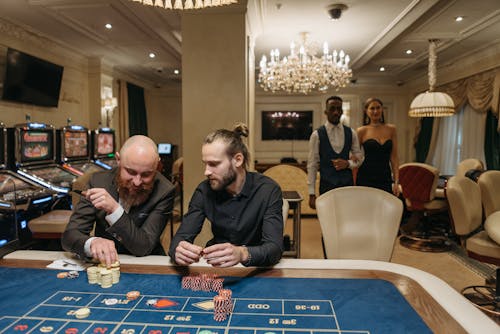
The multisensory immersion extends beyond visual cues. Sound design plays an integral role, with authentic coin inserts, jingles reminiscent of coin-operated machines, and period-specific background music heightening the nostalgic experience. These elements are carefully curated to evoke the ambience of old-fashioned casinos, making digital gameplay more emotionally resonant. Such immersive environments can foster a sense of continuity with gambling’s heritage, providing a comforting bridge between nostalgia and modern technology.
The multisensory immersion extends beyond visual cues. Sound design plays an integral role, with authentic coin inserts, jingles reminiscent of coin-operated machines, and period-specific background music heightening the nostalgic experience. These elements are carefully curated to evoke the ambience of old-fashioned casinos, making digital gameplay more emotionally resonant. Such immersive environments can foster a sense of continuity with gambling’s heritage, providing a comforting bridge between nostalgia and modern technology.
Moreover, classic card and table games such as poker, blackjack, and roulette are often reimagined with vintage design elements and thematic storytelling that pays homage to the early days of casino gaming. These adaptations not only preserve the historic allure of the games but also attract a broader audience—those seeking an authentic experience reminiscent of physical casinos—while offering the convenience and accessibility of online platforms.
The strategic integration of nostalgic content often extends into marketing efforts. Promotions might include retro-themed tournaments, exclusive bonuses with vintage motifs, or community engagement initiatives that celebrate the industry’s historical milestones. These marketing strategies leverage players’ emotional memories and cultural associations, transforming the gambling experience into a shared journey through time that encourages prolonged engagement and repeat visits.
European players, especially those from mature demographics, frequently exhibit a strong affinity for nostalgic themes, driven by a desire to reconnect with their past gambling experiences or cultural touchstones. Conversely, younger players, often exposed to retro aesthetics through pop culture, find these themes stylish and intriguing, helping bridge intergenerational gaps in preferences. This multi-layered appeal makes nostalgia an invaluable element in crafting a comprehensive customer retention strategy.
Lastly, the rise of nostalgia-driven gaming is supported by technological advancements that allow for seamless integration of vintage elements with cutting-edge gaming features. Augmented reality (AR) and virtual reality (VR) technologies, for instance, have been used to recreate authentic casino environments, blending nostalgia with modern innovation. As the EU industry continues to evolve, the emphasis on nostalgic content is expected to grow stronger, providing platforms with distinctive branding opportunities and solidifying emotional bonds with their player base.
Nostalgia has gained remarkable traction within the EU online gambling industry, serving as a strategic anchor that appeals to players’ emotional connections with their gambling pasts. In an increasingly digital and innovative sector, nostalgic themes provide a familiar refuge for long-standing gamblers and a captivating novelty for newer audiences. This sentimentality manifests vividly across various gambling verticals, including online slots, poker, sports betting, and crypto casinos, creating experiences that tap directly into collective cultural memories and individual personal histories.
European operators harness nostalgia by integrating classic design elements, evocative soundscapes, and familiar gameplay mechanics into their platforms. For instance, digital recreations of vintage slot machines, inspired by the iconic mechanical fruit machines, often feature retro symbols, pixel art graphics, and jingles reminiscent of physical casino environments from previous decades. These visual and auditory cues serve as a bridge connecting players with their formative gambling experiences or cultural touchstones, fostering a sense of comfort and trust that encourages sustained engagement.
In terms of game design, many platforms feature themes drawn from early casino favorites or iconic arcade games, translating familiar aesthetics into modern online formats. For example, poker rooms often incorporate vintage card decks and old-school poker chips, creating an ambiance that resonates with those who recall visiting classic card rooms or land-based casinos. The inclusion of nostalgic sound effects—such as the clatter of chips, the shuffle of cards, or the click of vintage machines—further intensifies immersion, making players feel as if they are participating in a timeless gambling tradition.

In terms of game design, many platforms feature themes drawn from early casino favorites or iconic arcade games, translating familiar aesthetics into modern online formats. For example, poker rooms often incorporate vintage card decks and old-school poker chips, creating an ambiance that resonates with those who recall visiting classic card rooms or land-based casinos. The inclusion of nostalgic sound effects—such as the clatter of chips, the shuffle of cards, or the click of vintage machines—further intensifies immersion, making players feel as if they are participating in a timeless gambling tradition.
Market research within the EU reveals that older demographics, particularly those who experienced physical casinos firsthand, respond positively to nostalgic cues. These platforms evoke memories of a bygone era when gambling was associated with glamour, exclusivity, and social interaction in brick-and-mortar venues. Such emotional triggers foster loyalty, encouraging repeated play and positive word-of-mouth recommendations. Conversely, younger players, often exposed to retro aesthetics through media and pop culture, find these themes stylish and engaging, helping bridge generational gaps and expanding the overall player base.
Utilizing nostalgia isn't limited solely to visual and audio elements. Innovative marketing strategies also leverage thematic storytelling, retro-themed tournaments, and exclusive bonuses that evoke a sense of shared history. These campaigns often highlight industry milestones or celebrate gambling heritage, transforming regular promotions into nostalgic journeys that foster a community feeling among players. Loyalty programs, for example, may reward long-term engagement with vintage-themed rewards, thus reinforcing emotional attachment and encouraging repeat visits.
Technological advancements have further facilitated the fusion of nostalgia and modernity in EU online gambling. Enhanced graphics engines, augmented reality (AR), and virtual reality (VR) are increasingly used to recreate authentic casino environments, allowing players to not only see but also virtually experience the ambiance of classic gambling venues. These immersive technologies magnify emotional resonance, making nostalgic themes more compelling while providing a cutting-edge experience aligned with contemporary gaming expectations.
In conclusion, the integration of nostalgic elements across the EU’s online gambling landscape underscores a broader industry shift towards emotionally driven user experiences. By carefully blending retro aesthetics with innovative gameplay, operators cultivate deeper emotional bonds, foster long-term loyalty, and carve distinctive identities within a competitive environment. As the sector continues evolving, nostalgia’s role as a key driver of differentiation and player retention remains poised to expand, aligning both with cultural trends and consumer preferences for authenticity and meaningful engagement.
Within the European Union, the influence of nostalgia on online gambling platforms extends beyond mere thematic choices; it interlinks with cultural identity, societal memories, and personal histories, creating a multidimensional appeal for players. As the region boasts a diverse landscape of gambling traditions—from the classic elegance of French casinos to the vibrant street games of Southern Europe—integrating nostalgic elements allows operators to tap into these rich cultural narratives and forge deeper emotional connections with their audiences.
One of the most prominent ways this manifests is through the revival of traditional slot machines reimagined for digital environments. Many EU platforms showcase virtual replicas of vintage fruit machines and mechanical slots, adorned with symbols like cherries, bars, and bells, closely mirroring the machines that countless players encountered in land-based casinos decades ago. These visual symbols serve as familiar cues, triggering memories associated with convivial gatherings and the thrill of spontaneous wins. The design and sound effects—such as coin-chings, reel spins, and retro jingles—are carefully calibrated to evoke the ambiance of physical arcades and gambling halls from the mid-20th century.

Beyond slots, the revival of classic table games has gained momentum. European platforms often feature poker tables, blackjack, and roulette with vintage design motifs—think ornate wooden accents, period-specific chips, and traditional dealer attire—creating an immersive environment that echoes the atmosphere of early 20th-century casinos. This nostalgic recreation not only appeals to older players nostalgic for their youth but also introduces younger audiences to the historical roots of popular gambling games, fostering a continuity that spans generations.
Beyond slots, the revival of classic table games has gained momentum. European platforms often feature poker tables, blackjack, and roulette with vintage design motifs—think ornate wooden accents, period-specific chips, and traditional dealer attire—creating an immersive environment that echoes the atmosphere of early 20th-century casinos. This nostalgic recreation not only appeals to older players nostalgic for their youth but also introduces younger audiences to the historical roots of popular gambling games, fostering a continuity that spans generations.
The multisensory approach further enhances emotional engagement. Sound design plays a crucial role: the clinking of chips, the shuffling of cards, and period-appropriate background tunes are integrated into gameplay, reinforcing the thematic ambiance. Such detailed attention to sensory cues can transform online gambling from a transactional activity into a shared cultural experience, eliciting feelings of familiarity and trust.
Strategic marketing amplifies these nostalgic themes by incorporating storytelling elements, historical milestones, and themed promotions. For instance, some platforms run vintage-themed tournaments or anniversary celebrations that highlight gambling heritage. Loyal players are often rewarded with exclusive vintage-style bonuses or collectible digital tokens that evoke a sense of belonging to a broader gambling community rooted in shared history.
Consumer behavior studies within the EU show that mature demographics, especially those with experience in traditional casinos, respond especially well to nostalgic content. For many, gambling is intertwined with social rituals, family traditions, or regional customs; thus, platforms that acknowledge and reflect these aspects foster stronger loyalty. Simultaneously, younger players—often influenced by modern media—are captivated by retro aesthetics, which they associate with a sense of style and authenticity, bridging gaps between age groups.
Looking forward, the integration of nostalgia in EU gambling not only bolsters differentiation but also aligns with broader societal trends emphasizing authenticity, cultural storytelling, and emotional resonance. Operators investing in high-fidelity visual and audio recreations, coupled with advanced immersive technologies such as augmented reality, are setting new standards for engagement. This fusion of past and future ensures that nostalgic content remains not only a theme but an ongoing, evolving element in the landscape of European online gambling, fostering lasting emotional bonds with diverse player segments.
Within the European Union, the integration of nostalgic themes in online gambling platforms often reflects broader cultural identities and shared histories. This strategic choice not only enhances emotional resonance but also appeals to regional pride and collective memory. For example, platforms catering to players from countries with strong gambling traditions — such as Italy, France, or Spain — may incorporate local motifs, historical symbols, or traditional music that evoke regional gambling heritage. These elements foster a sense of cultural continuity, positioning platforms as authentic representatives of local gambling culture.
In many cases, this cultural nostalgia is embedded through the visual aesthetic of the interfaces. Platforms may feature artwork inspired by regional folklore, historic landmarks, or iconic art styles specific to its target demographic. Such localization efforts do more than create visual appeal; they facilitate an emotional connection rooted in cultural pride and familiarity, encouraging longer engagement and loyalty among regional players.
The influence of history and societal memory also manifests through themed game releases specific to certain regions or historical milestones. For example, a platform might launch a series of games commemorating significant national events or legendary local gambling figures. These stories reinforce a shared sense of nostalgia tied to identity and history, elevating the gambling experience into a cultural narrative rather than just a form of entertainment.
Notably, some platforms have also collaborated with regional artists, musicians, and historical societies to develop exclusive content that emphasizes local customs and memories. This approach not only reinforces authenticity but also supports regional cultural industries, creating a mutually reinforcing ecosystem of heritage preservation and entertainment.
By emphasizing regional narratives and symbols, EU operators effectively differentiate themselves in a competitive market. The emotional attachment fostered through cultural nostalgia increases player retention, as users feel more connected to platforms that celebrate their unique heritage. This alignment with local identity also accelerates word-of-mouth promotion within communities, strengthening the platform's reputation and loyalty over time.
Furthermore, as the European Union increasingly emphasizes diversity and multiculturalism, operators are adopting inclusive nostalgic themes that celebrate collective histories across diverse backgrounds. This not only broadens appeal but also fosters a sense of unity within the industry, resonating with the EU’s commitment to cultural pluralism. Providing customized, culturally resonant experiences can thus serve as a significant differentiator, helping platforms forge deeper emotional bonds with a broader range of players.

Furthermore, as the European Union increasingly emphasizes diversity and multiculturalism, operators are adopting inclusive nostalgic themes that celebrate collective histories across diverse backgrounds. This not only broadens appeal but also fosters a sense of unity within the industry, resonating with the EU’s commitment to cultural pluralism. Providing customized, culturally resonant experiences can thus serve as a significant differentiator, helping platforms forge deeper emotional bonds with a broader range of players.
Overall, embedding cultural nostalgia in online gambling offers a potent strategy that aligns emotional engagement with regional identity. It transforms the gambling venture from merely transactional to deeply personal and culturally meaningful, ensuring that players not only enjoy the game but also feel a part of a shared heritage. As the industry advances, these culturally resonant nostalgic themes are likely to play an increasingly prominent role in the evolution of the EU gambling ecosystem, fostering loyalty and regional pride simultaneously.
Within the European Union’s bustling online gambling sector, nostalgia functions as a potent force that significantly influences player loyalty and sustained engagement. When players encounter familiar symbols, soundtracks, and themes reminiscent of their earlier gambling experiences—whether from land-based casinos, arcade arcades, or regional gaming traditions—they forge emotional bonds with the platform. This emotional attachment translates into increased retention, longer session durations, and a higher likelihood of continuous play. The strategic deployment of nostalgic content—such as vintage slot machines, classic card game interfaces, or retro-themed tournaments—acts as an invitation for players to revisit earlier eras of gambling, fostering a sense of continuity and trust.

Research indicates that players often associate nostalgia with safety and authenticity, two critical qualities in the online gambling environment. Platforms that effectively evoke past gambling experiences create a comforting and trustworthy atmosphere, encouraging not only initial engagement but also repeated visits. For example, online poker rooms that adopt vintage design cues such as period-specific dealer attire or classic poker chips tend to appeal strongly to longstanding players who nostalgically recall land-based casinos.
Research indicates that players often associate nostalgia with safety and authenticity, two critical qualities in the online gambling environment. Platforms that effectively evoke past gambling experiences create a comforting and trustworthy atmosphere, encouraging not only initial engagement but also repeated visits. For example, online poker rooms that adopt vintage design cues such as period-specific dealer attire or classic poker chips tend to appeal strongly to longstanding players who nostalgically recall land-based casinos.
This emotional resonance has practical implications. Platforms leveraging nostalgia can introduce tailored loyalty programs that reward long-term players with exclusive retro-themed bonuses or collectibles. These rewards serve as symbolic tokens of appreciation and deepen the sense of community among users, reinforcing the emotional bond. Furthermore, thematic marketing campaigns—such as celebrating significant industry milestones or historical gambling figures—capitalize on collective memory, making players feel part of a shared gambling heritage.
From a technological perspective, the advent of immersive visual and audio technologies—such as augmented reality (AR) and virtual reality (VR)—enables platforms to recreate authentic nostalgic environments. These innovations allow players to virtually step into vintage casinos or arcade halls, heightening emotional engagement and reinforcing their sense of belonging. As EU gambling operators continue to innovate, integrating nostalgic content into these advanced formats will be central to differentiating their offerings and cultivating long-term loyalty.
Overall, the strategic use of nostalgia aligns with EU market trends toward authenticity, personalization, and emotional marketing. By fostering genuine emotional bonds through culturally resonant themes and immersive experiences, platforms can build a loyal customer base that not only appreciates the entertainment but also feels a personal connection rooted in their own memories and cultural narratives. This alignment of emotional resonance with technological innovation promises to maintain nostalgia’s role as a vital driver of sustainability and competitiveness in the evolving European online gambling landscape.
Within the European Union, nostalgic themes in online gambling are often intertwined with regional identities and cultural narratives. Platforms catering to diverse markets—ranging from the historic gambling traditions of France and Italy to the vibrant European street gaming cultures—frequently incorporate symbols, aesthetics, and storytelling elements that evoke shared history and local pride. This cultural tailoring enhances emotional resonance, making players feel connected to their roots while engaging in modern digital environments.
Many EU-based operators embed local motifs into their casino aesthetics. For example, Spanish platforms might feature imagery inspired by bullfighting, flamenco, or regional festivals, while French sites could incorporate elements reminiscent of historic Parisian casinos or renowned landmarks. These visual cues serve as a form of cultural nostalgia that reinforces a sense of authenticity, encouraging longer engagement and loyalty from players who identify with their regional heritage.
Beyond visuals, thematic content such as regional folklore, traditional music, and historic milestones can be integrated into game narratives. For instance, slot games themed around national history or legendary local figures do more than entertain—they serve as heritage storytellers, connecting players with their cultural lineage. Such elements ensure that nostalgia is not merely superficial but deeply rooted in the collective memory and societal pride of the community.
This approach also supports regional differentiation in a crowded market—helping platforms stand out by virtue of their cultural authenticity. When a platform authentically celebrates local customs and stories, it fosters a strong emotional bond with players, creating a unique identity that cannot easily be replicated. This alignment with cultural identity often extends into marketing campaigns, such as regional festivals, historic anniversary promotions, or exclusive local-themed tournaments that resonate on a personal level, strengthening community ties and loyalty.
Moreover, embracing multiculturalism within the EU, platforms are increasingly adopting inclusive nostalgic themes that celebrate shared European histories and diverse traditions. This strategy broadens appeal and fosters unity, positioning platforms as repositories of collective memory while supporting cultural dialogue. Such inclusive nostalgia makes gambling environments more welcoming, socially meaningful, and aligned with the EU’s commitment to diversity.
Overall, embedding regional and cultural nostalgia in online gambling transforms the experience from a purely transactional activity into a culturally rich event. Players feel a sense of continuity and pride, perceiving platforms as authentic custodians of their shared heritage. As technological advancements facilitate even more immersive storytelling, these culturally resonant nostalgic themes are likely to become central pillars in the evolution of the European Union’s online gambling sector, promoting loyalty and regional pride simultaneously.
This approach also aligns with broader societal shifts emphasizing social cohesion and cultural preservation through digital mediums. Platforms that successfully incorporate local history and customs not only attract players seeking familiarity but also contribute to the cultural vitality of their regions. In doing so, they position themselves as more than just gambling venues—they become cultural ambassadors, reinforcing the importance of shared heritage in the digital age and fostering long-term emotional engagement across EU markets.
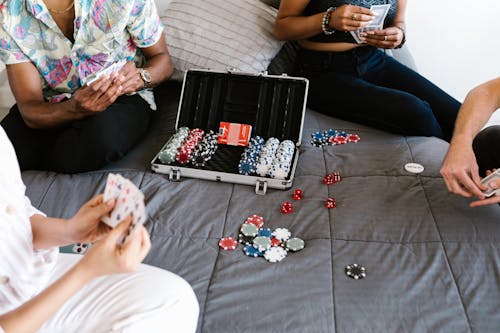
This approach also aligns with broader societal shifts emphasizing social cohesion and cultural preservation through digital mediums. Platforms that successfully incorporate local history and customs not only attract players seeking familiarity but also contribute to the cultural vitality of their regions. In doing so, they position themselves as more than just gambling venues—they become cultural ambassadors, reinforcing the importance of shared heritage in the digital age and fostering long-term emotional engagement across EU markets.
In the competitive ecosystem of online gambling within the European Union, fostering player loyalty remains a significant challenge. Nostalgia emerges as a strategic tool that deepens emotional bonds between platforms and their users. When players encounter familiar themes, symbols, and sounds reminiscent of classic gambling experiences, they associate these elements with personal memories rooted in physical casinos, arcades, or regional gaming traditions. This emotional connection increases the likelihood of continued engagement, repeat visits, and positive word-of-mouth recommendations within their communities.
For operators, integrating nostalgic cues extends beyond visual design—implying retro motifs or vintage color schemes—and encompasses multisensory elements such as authentic sound effects of spinning reels or shuffling cards. These cues stimulate long-term memories and evoke feelings of comfort, trust, and authenticity, which are critical in encouraging sustained play. For example, a slot game featuring pixelated graphics and classic soundtracks can transport a seasoned player back to the days of mechanical fruit machines, reinforcing loyalty through a sense of shared history.
Research within the EU highlights that players who feel a nostalgic connection are more receptive to personalized experiences. Loyalty programs that incorporate vintage-themed rewards, collectible digital tokens, or exclusive access to classic-themed tournaments effectively reinforce emotional attachment. Such initiatives frame gambling as not only entertainment but also a cultural or personal ritual, increasing long-term stickiness.
Furthermore, platforms that incorporate nostalgia into their storytelling and branding cultivate a sense of community among like-minded players. The sharing of personal memories associated with particular symbols or themes within forums or social media channels amplifies the feeling of belonging. This peer-driven reinforcement, combined with nostalgic design cues, distinguishes platforms in the crowded European marketplace, ultimately leading to higher retention rates.
As the industry continues to innovate, the role of nostalgia in building trust and loyalty will likely expand through advanced technologies. Virtual reality (VR) and augmented reality (AR) enable players to virtually inhabit vintage casino environments, enhancing realism and emotional resonance. These technological advancements, coupled with nostalgic content, make long-term engagement more compelling, ensuring platforms remain competitive in an evolving EU gambling landscape.
In sum, leveraging nostalgia strategically enhances both emotional engagement and loyalty among EU players. By continuously refining immersive nostalgic experiences and aligning them with cultural identities, operators can sustain a loyal customer base, foster positive brand associations, and differentiate themselves in a saturated market.
In the European Union's highly competitive online gambling landscape, the strategic use of nostalgia has become a vital approach to fostering long-term player loyalty and sustained engagement. When players encounter familiar symbols, sound cues, and thematic elements reminiscent of classic gambling experiences—be it vintage slot machines, arcade-inspired interfaces, or traditional casino settings—they develop an emotional attachment that transcends the immediate gaming session. This emotional resonance encourages repeated visits, increased session durations, and positive word-of-mouth propagation among community networks.
Platforms that successfully leverage nostalgic cues often incorporate multisensory design features. Authentic sound effects like reels spinning, coins clinking, or card shuffles, combined with retro visual aesthetics, create environments that evoke memories of physical casinos or vintage arcades. These cues serve as powerful psychological triggers, reinforcing a sense of familiarity and trust while evoking feelings of entertainment rooted in personal or cultural history. For example, a slot game designed with pixelated graphics and period-specific jingles may draw in seasoned players who associate these elements with their formative gambling experiences, strengthening their emotional commitment to the platform.
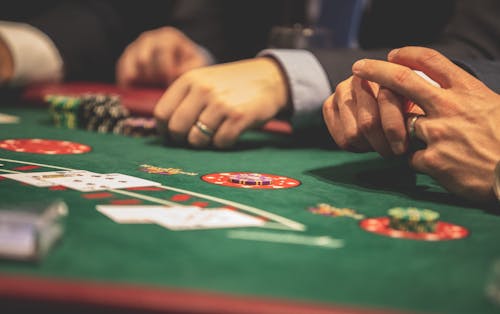
Additionally, many operators develop tailored loyalty programs that reward ongoing participation with vintage-themed bonuses, collectible tokens, or exclusive access to classic tournaments. These tangible symbols of appreciation are crafted to evoke nostalgia, reinforcing the personal and collective memories that underpin player loyalty. Such initiatives often include commemorations of historic milestones or legendary figures in gambling history, transforming the gambling journey into a shared cultural experience that resonates deeply with players’ identities.
Additionally, many operators develop tailored loyalty programs that reward ongoing participation with vintage-themed bonuses, collectible tokens, or exclusive access to classic tournaments. These tangible symbols of appreciation are crafted to evoke nostalgia, reinforcing the personal and collective memories that underpin player loyalty. Such initiatives often include commemorations of historic milestones or legendary figures in gambling history, transforming the gambling journey into a shared cultural experience that resonates deeply with players’ identities.
Empirical research in consumer psychology within the EU demonstrates that nostalgia-based marketing significantly increases players’ willingness to explore new content and invest more deeply in platforms. When the emotional connection is strong, players demonstrate higher retention rates, are more receptive to personalized offerings, and exhibit increased lifetime value. Furthermore, community-driven features—such as discussion forums or social media groups centered around shared gambling memories—contribute to a sense of camaraderie and belonging, solidifying long-term engagement.
Modern technological innovations facilitate the delivery of these nostalgic experiences at unprecedented levels of realism. Virtual reality (VR) spaces that replicate vintage casinos or arcade halls create a sense of physical presence, immersing players in a digital recreation of their cherished environments. Augmented reality (AR) applications enable players to interact with vintage-themed symbols and artifacts within their own space, bridging the physical-digital divide. These immersive experiences not only captivate users emotionally but also serve as powerful differentiation tools in a saturated market.
As the EU gambling industry continues to evolve, the integration of nostalgic content is projected to grow in importance. By combining emotional storytelling, cultural authenticity, premium technological enhancements, and personalized rewards, operators can build resilient loyalty programs that resonate culturally and psychologically. Such strategies transform casino platforms into more than mere transactional venues—they become repositories of shared memories, fostering deep emotional investments that translate into sustained patronage and advocacy.
Across the European Union, the strategic infusion of nostalgia into online gambling platforms has proven to be a compelling approach for fostering deep emotional connections and enhancing overall player loyalty. As markets mature and consumer preferences evolve, operators recognize that evoking shared cultural and personal memories can generate a sense of authenticity, trust, and familiarity that resonates with a diverse demographic. This emotional bridge not only enriches user experience but also creates a competitive edge in a landscape saturated with technological innovation and diverse game offers.
Incorporating nostalgic themes typically involves a meticulous design process where visual aesthetics, sound design, and gameplay mechanics are aligned to evoke specific eras or cultural touchstones. For instance, slots that mimic vintage fruit machines or pixelated arcade cabinets speak directly to memories of physical gambling venues, fostering a sense of continuity and authenticity. Regional variations further deepen this connection, with platforms from countries such as Italy, France, or Spain integrating local motifs, folklore, and historical symbols into their branding and game design. This localization reinforces cultural pride and enhances player identification with the platform.
Beyond visual cues, auditory elements such as period-specific sound effects—like coin-inserts, old-fashioned jingles, or classic card shuffles—heighten the multisensory experience. These cues can trigger subconscious memories, creating an immersive environment that transports players to past gambling moments, whether in the ambiance of a land-based casino or the lively atmosphere of a regional arcade hall. This multisensory design approach leverages emotional familiarity to promote longer engagement and repeat visits.
Furthermore, many platforms introduce thematic storytelling through game narratives and promotional content rooted in gambling history or cultural legends. For example, innovative slot themes might celebrate legendary local gambling figures or historic milestones, transforming gameplay into a cultural journey. Themed tournaments, vintage-inspired bonuses, and storytelling-driven marketing campaigns amplify the nostalgic appeal, encouraging community building and sustained loyalty.
Technological advances such as augmented reality (AR) and virtual reality (VR) are further transforming nostalgia-driven experiences. By recreating vintage casino environments or arcade halls, these immersive technologies enable players to virtually step into their cherished memories, elevating emotional engagement. Such innovations make the nostalgic experience more vivid and tangible, appealing to both traditional and tech-savvy players across EU markets.
Overall, the deliberate integration of nostalgic themes aligns with evolving consumer behaviors emphasizing authenticity and cultural relevance. For operators, this means designing environments where tradition meets innovation, capturing the hearts of older players seeking familiar comfort while enticing younger generations intrigued by vintage aesthetics. As industry trends point towards an increasing emphasis on emotional branding, nostalgia is poised to remain a crucial component of differentiation, loyalty, and long-term success within the European online gambling ecosystem.
As the prominence of nostalgic themes in EU online gambling continues to grow, it subtly influences the regulatory landscape by encouraging institutions to foster a balance between cultural expression and responsible gaming. While this exploration primarily pertains to legal frameworks, it is important to recognize how the integration of vintage aesthetics and thematic elements often aligns with evolving industry standards that promote safe, trustworthy, and sustainable gambling environments.
European regulators and industry bodies have increasingly acknowledged the need to safeguard emotional well-being alongside technological innovation. The nostalgic approach, by emphasizing authentic and culturally relevant content, can complement regulations that promote transparency and fair play. For instance, platform operators are encouraged to implement features such as clear information on game volatility and responsible gambling tools that resonate culturally, making the experience both engaging and safe for various demographics.
Furthermore, the rise of nostalgic themes encourages operators to innovate within the boundaries of compliance, fostering the development of responsible marketing practices that avoid exploitative tactics often associated with emotional triggers. Marketing campaigns that leverage nostalgia—such as vintage-themed tournaments or historically inspired bonuses—are often designed with regulatory oversight to ensure they promote moderation and awareness, particularly among vulnerable populations.
Technological advancements, such as digital verification systems, are also harmonized with nostalgic marketing, enabling seamless yet secure player onboarding and transaction processes. For example, some platforms utilize simplified yet secure age verification methods that respect user privacy while reinforcing overall safety standards, ensuring that the emotional appeal of nostalgia does not override the integrity of regulatory compliance.
This synergy between cultural storytelling and regulatory discipline fosters an environment where players can indulge in nostalgic experiences with confidence, knowing that their safety and rights are prioritized. It exemplifies how industry standards can adapt and evolve in tandem with creative marketing strategies, making nostalgia an integral component of responsible innovation within the EU gambling sector.
Looking ahead, the ongoing dialogue between regulators, industry leaders, and cultural stakeholders will likely shape future standards, encouraging a sustainable integration of nostalgic content that promotes not only emotional engagement but also responsible gambling practices. This balance ensures that the industry remains trustworthy and aligned with its social responsibilities, setting a precedent for holistic growth that respects both tradition and modern compliance frameworks.